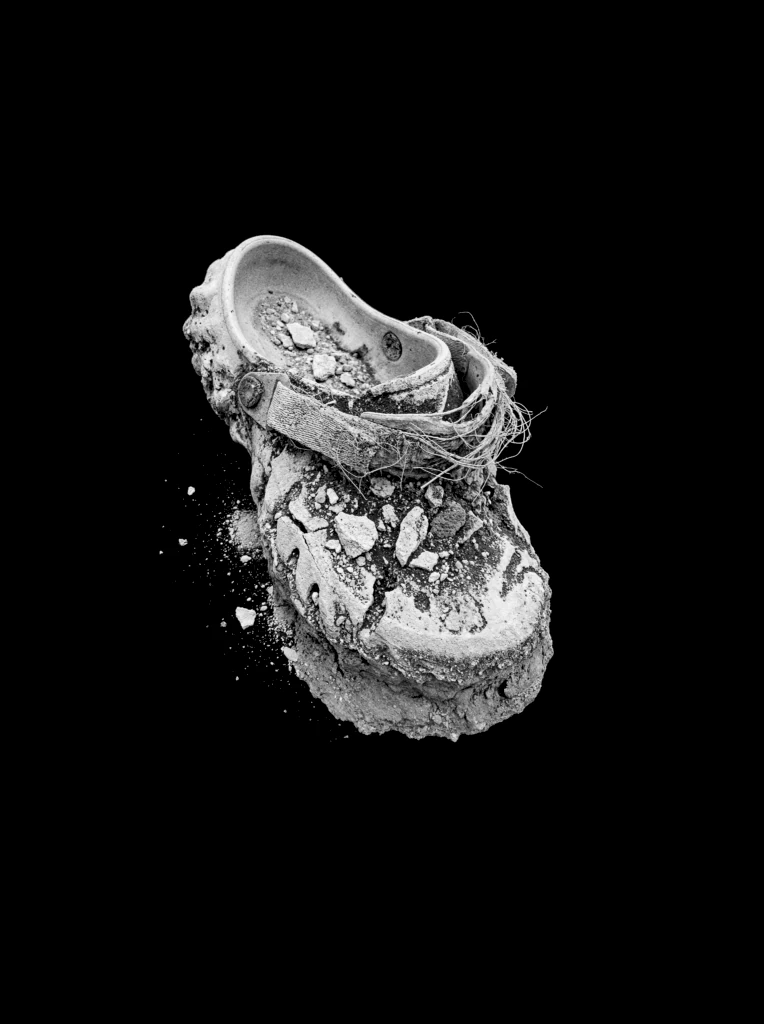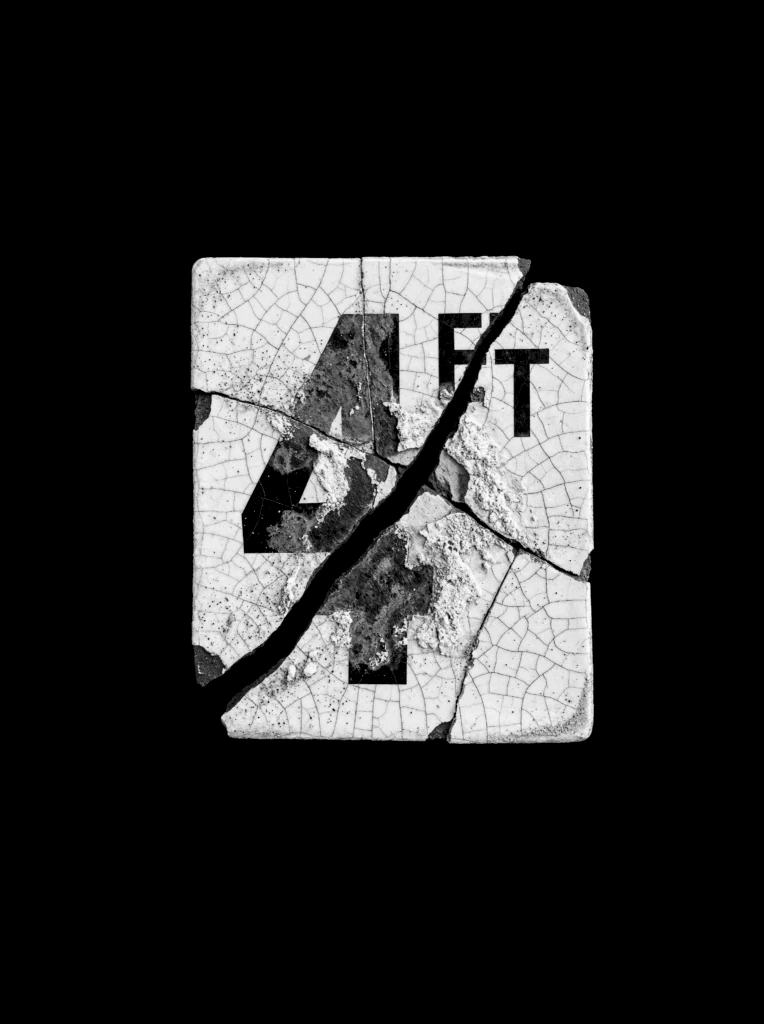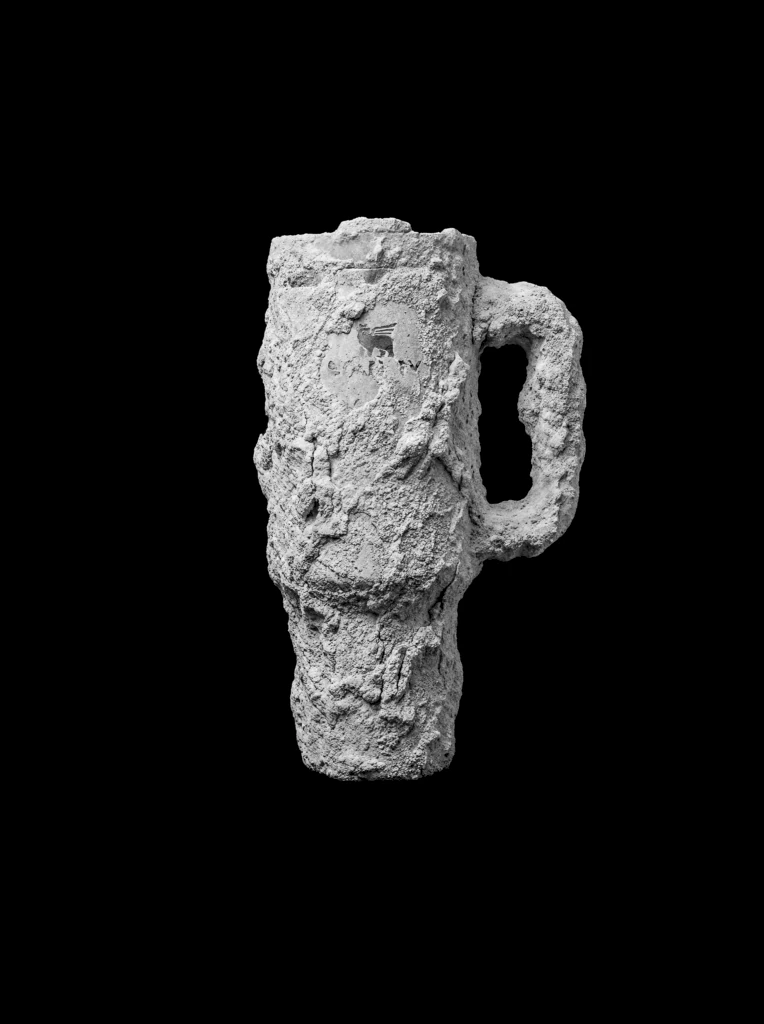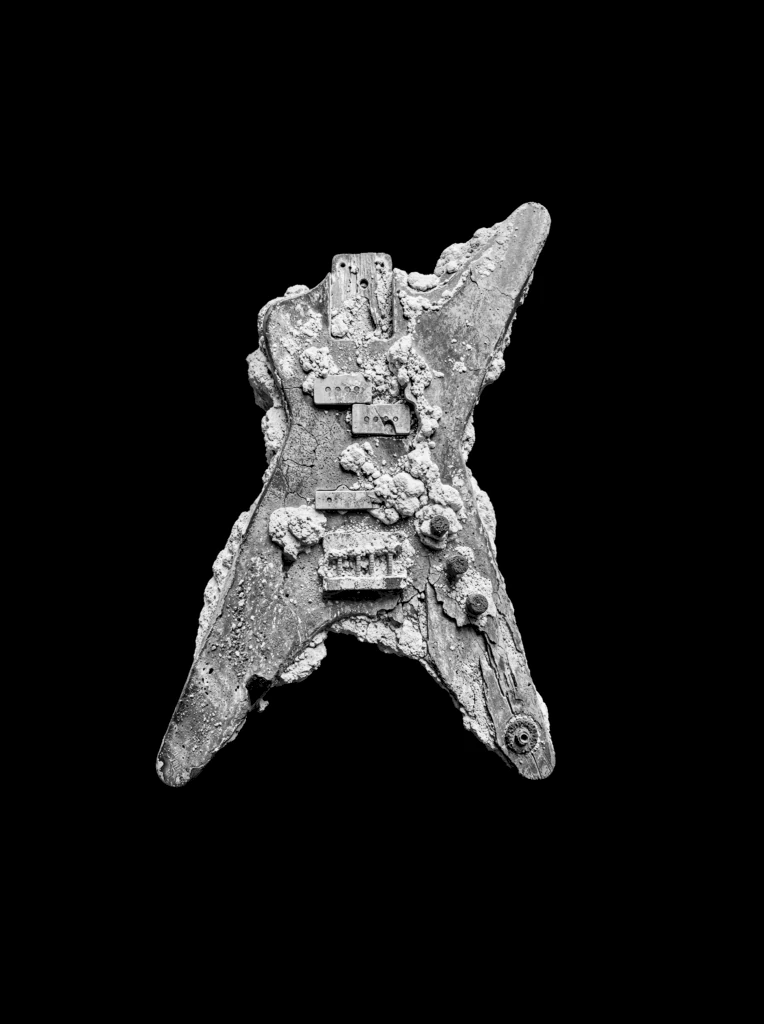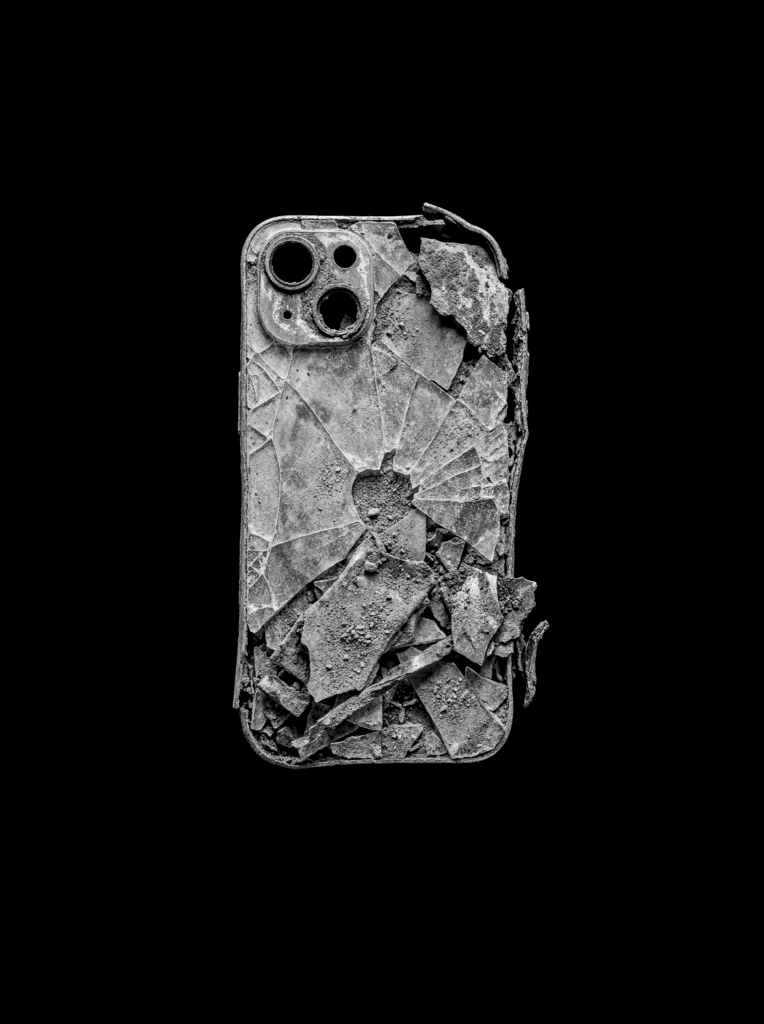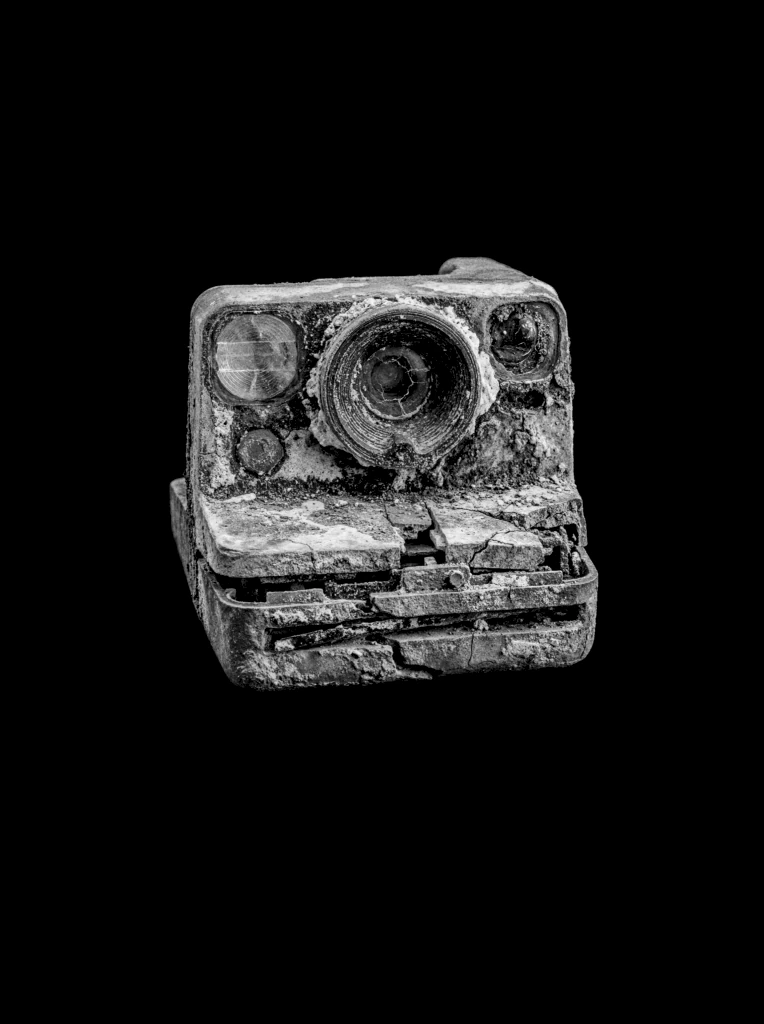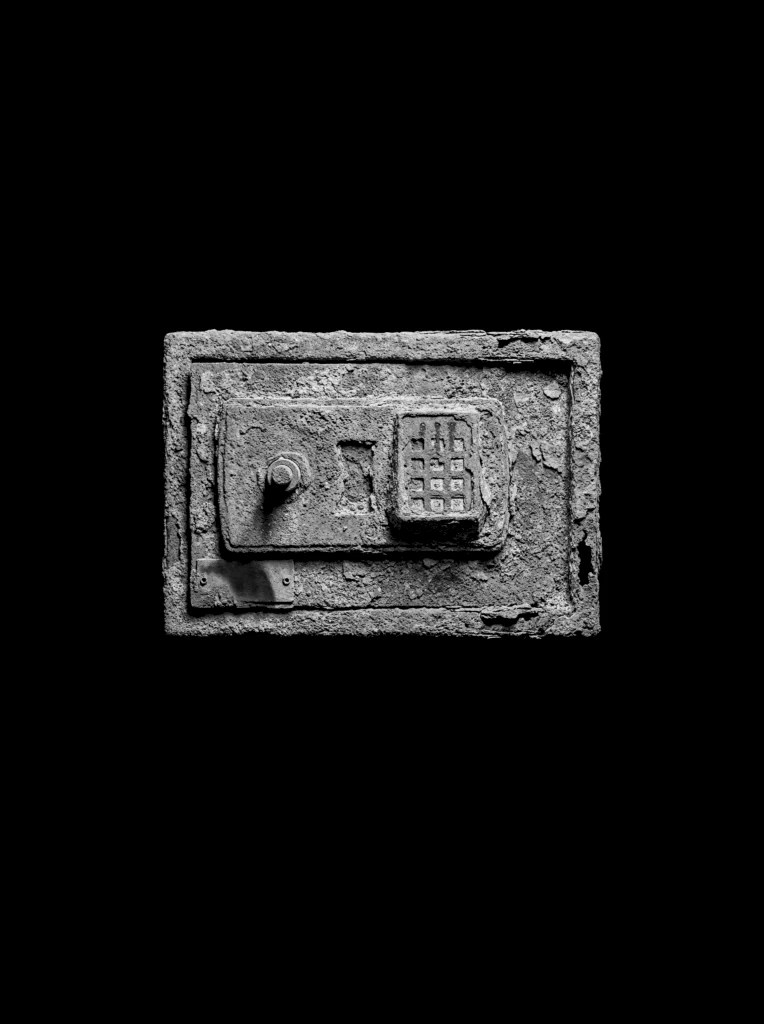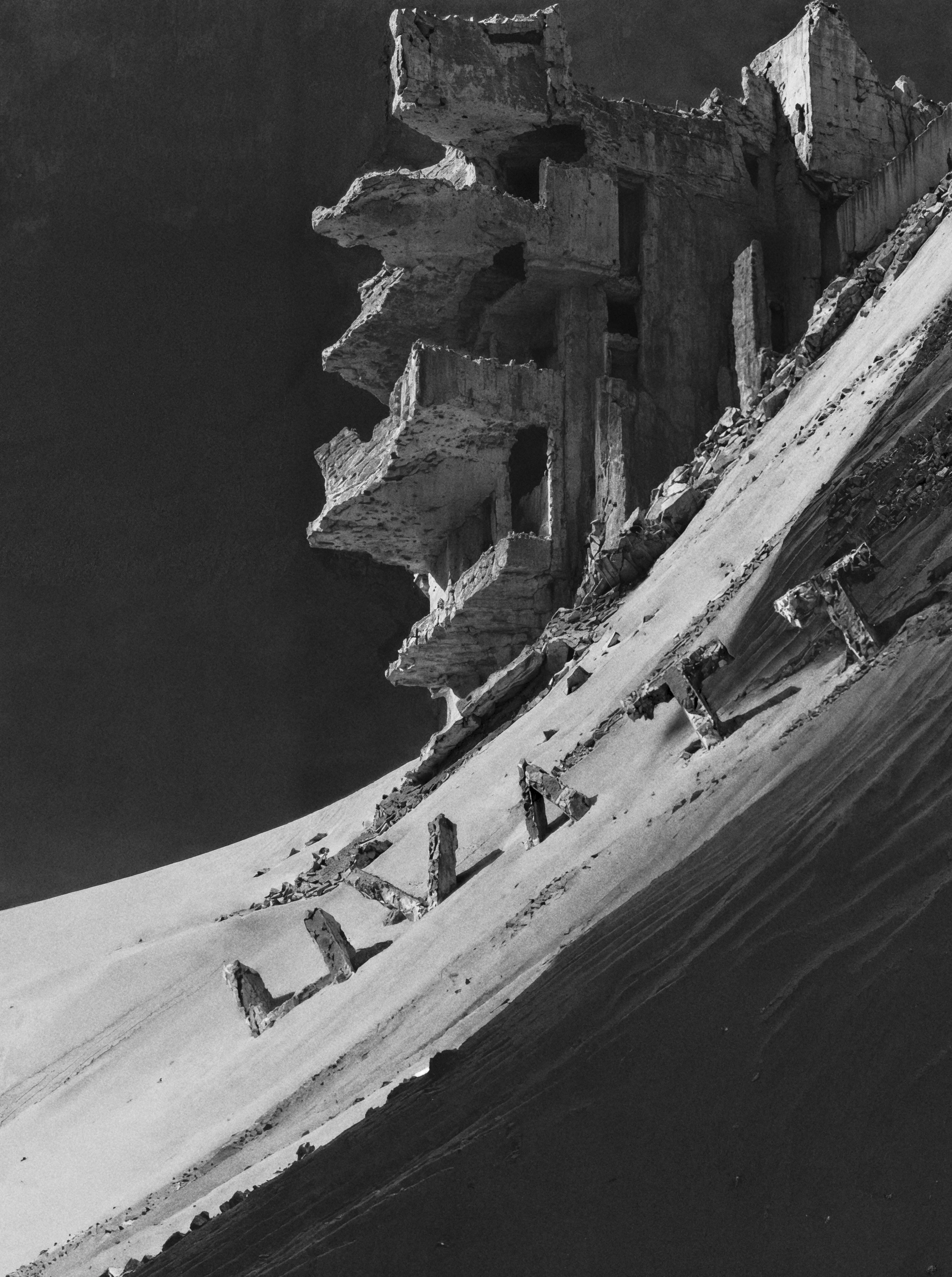
Emerging from the sands of a vast desert, this site stands as evidence that the region, now barren, must once have sustained habitation — perhaps in considerable comfort. The severity of the climate has since reclaimed the greater part of the structure and nearly all it contained, yet what survives points unmistakably to a place of high status. A royal palace has been the favoured interpretation, and not without reason.
The scale is palatial, the proportions generous to the point of excess. Excavators have identified a great many chambers of near-identical plan, each appointed to a similar standard, arranged along corridors of remarkable length. The uniformity is curious: one would expect a royal household to distinguish sharply between the quarters of the sovereign and those of the retinue, yet here the distinction, if it existed, was subtle. Some have taken this to indicate a court of unusual egalitarian character. Others suspect the building housed not one household but many, in succession — a reading the surviving evidence can neither confirm nor dismiss.
Traces of elaborate provision for water have been recovered throughout, in quantities that seem extravagant for so arid a setting. That so much should have been devoted to its display, in a place where it was scarcest, is perhaps the surest measure of the status once claimed here.