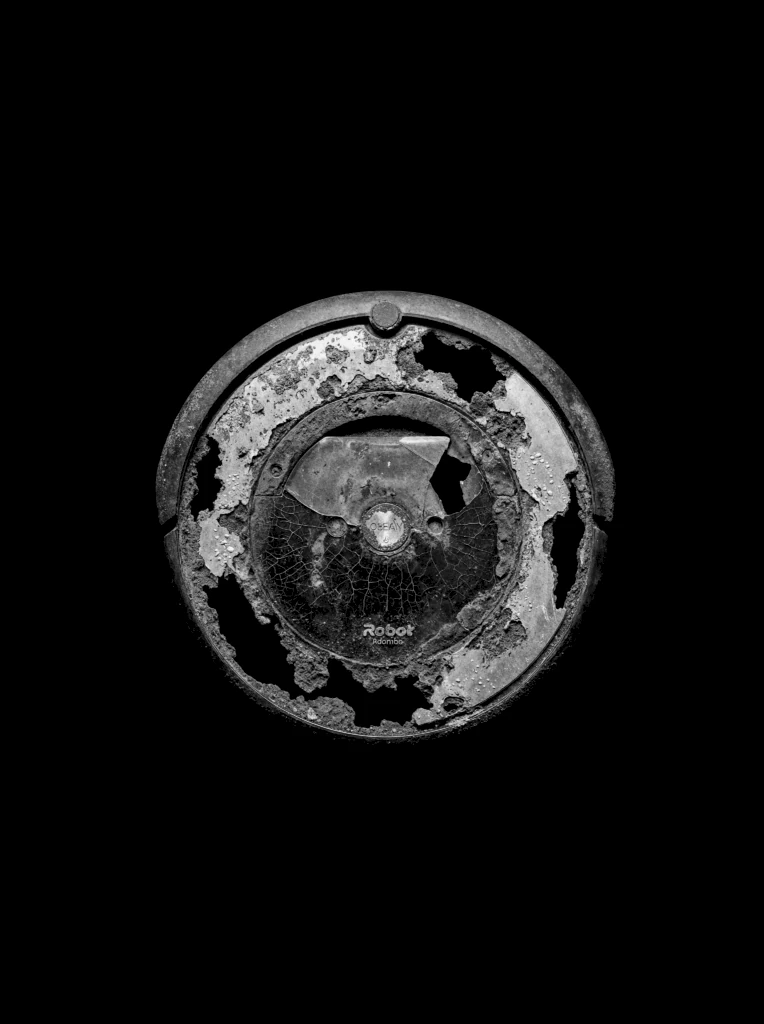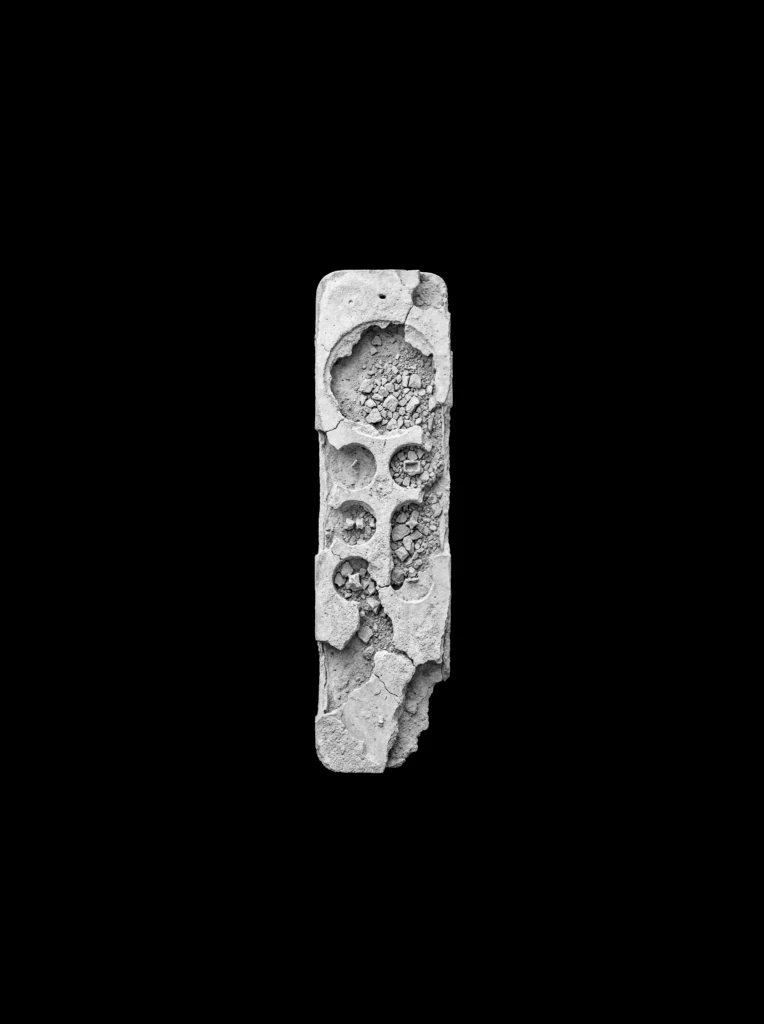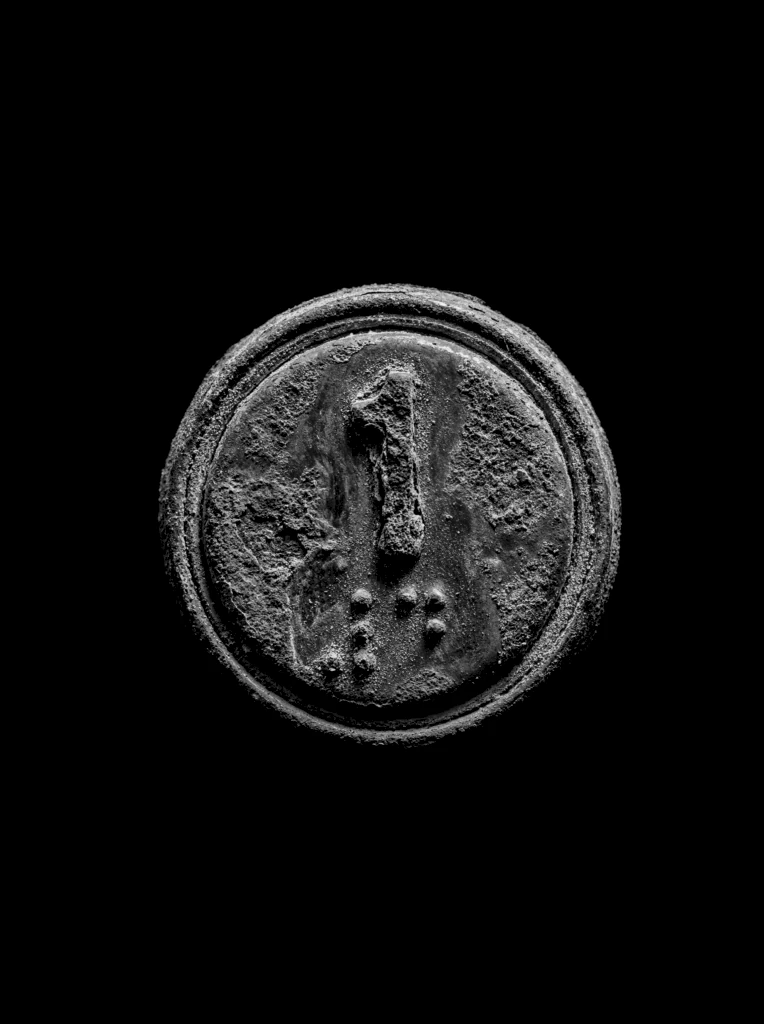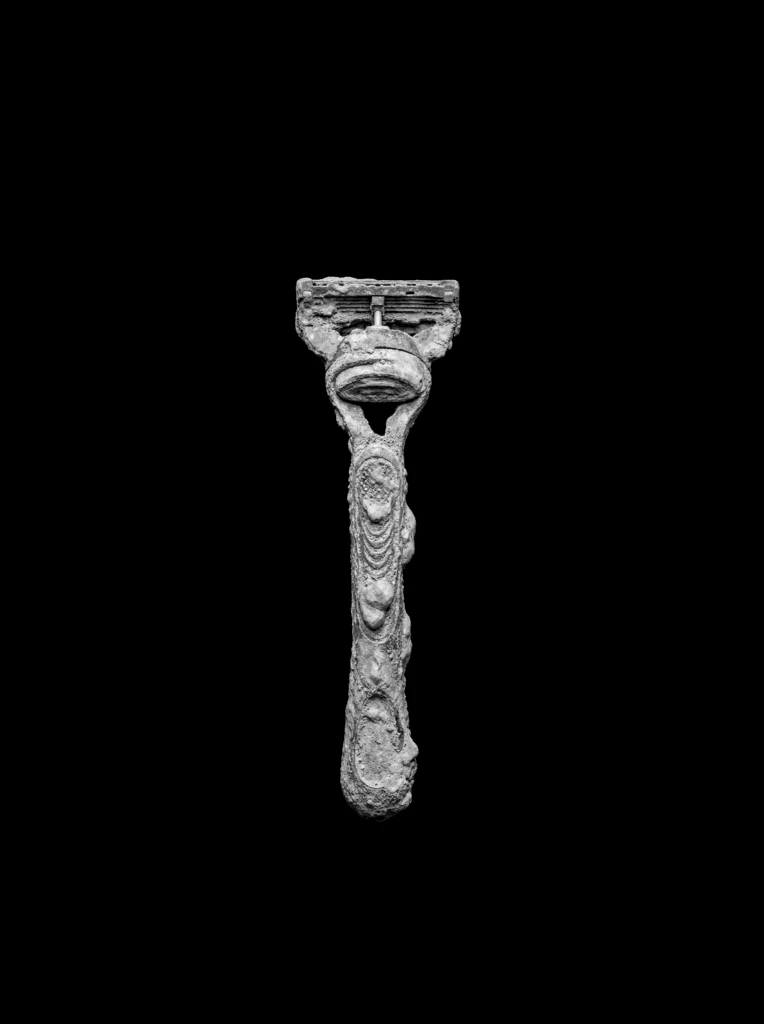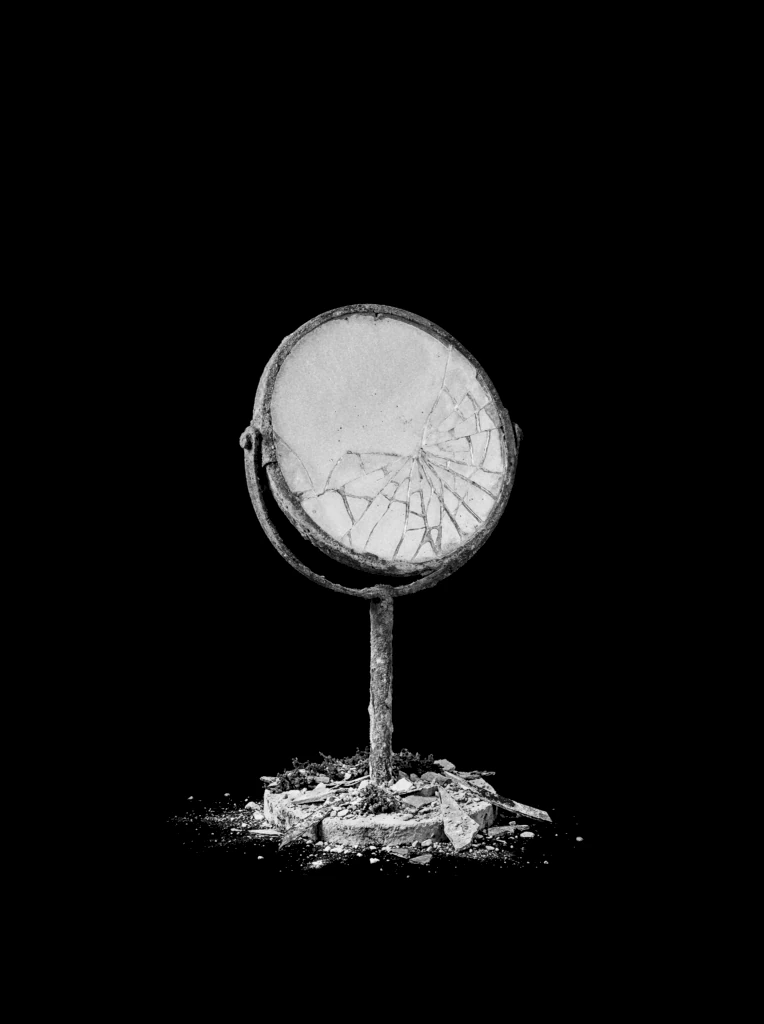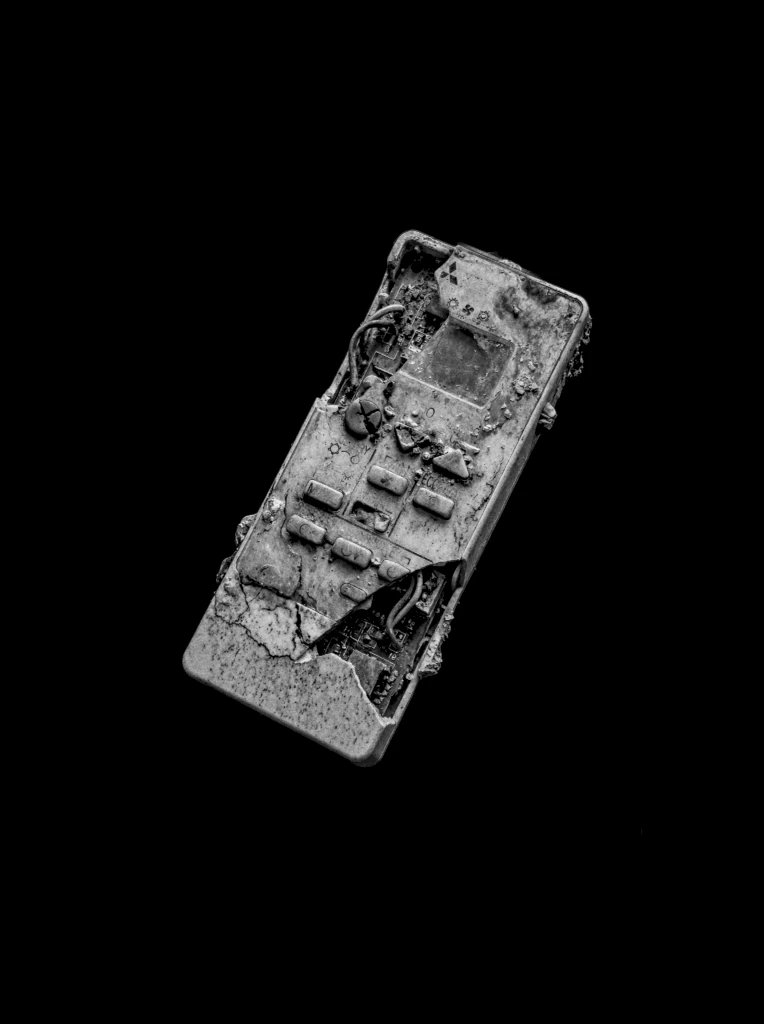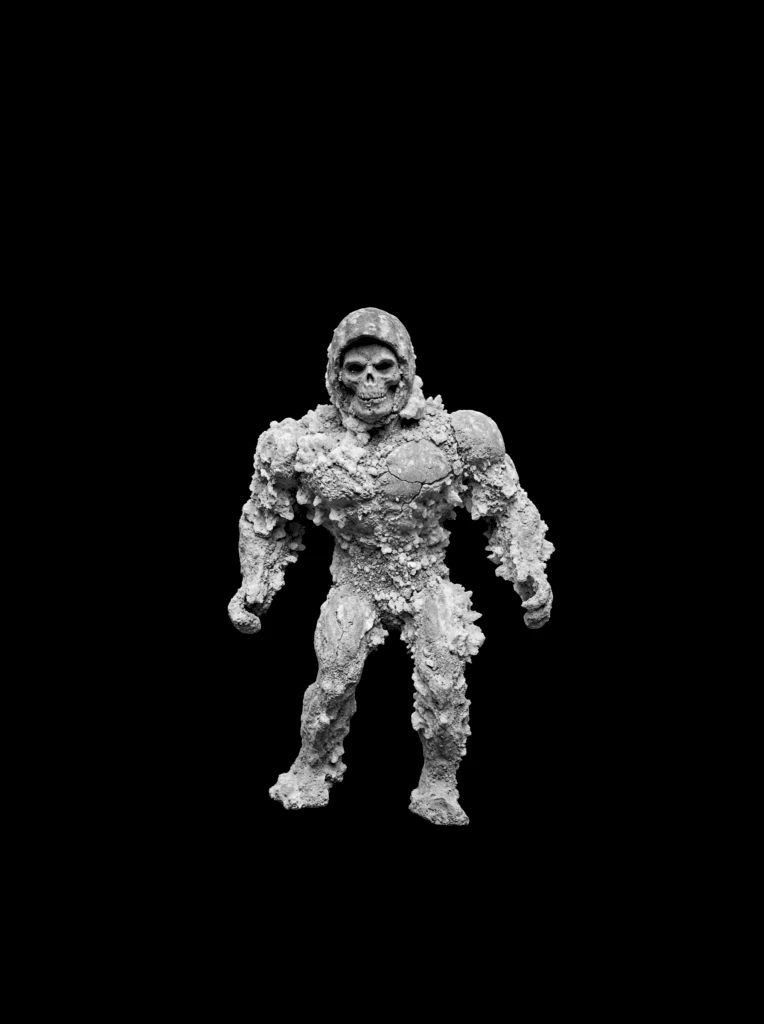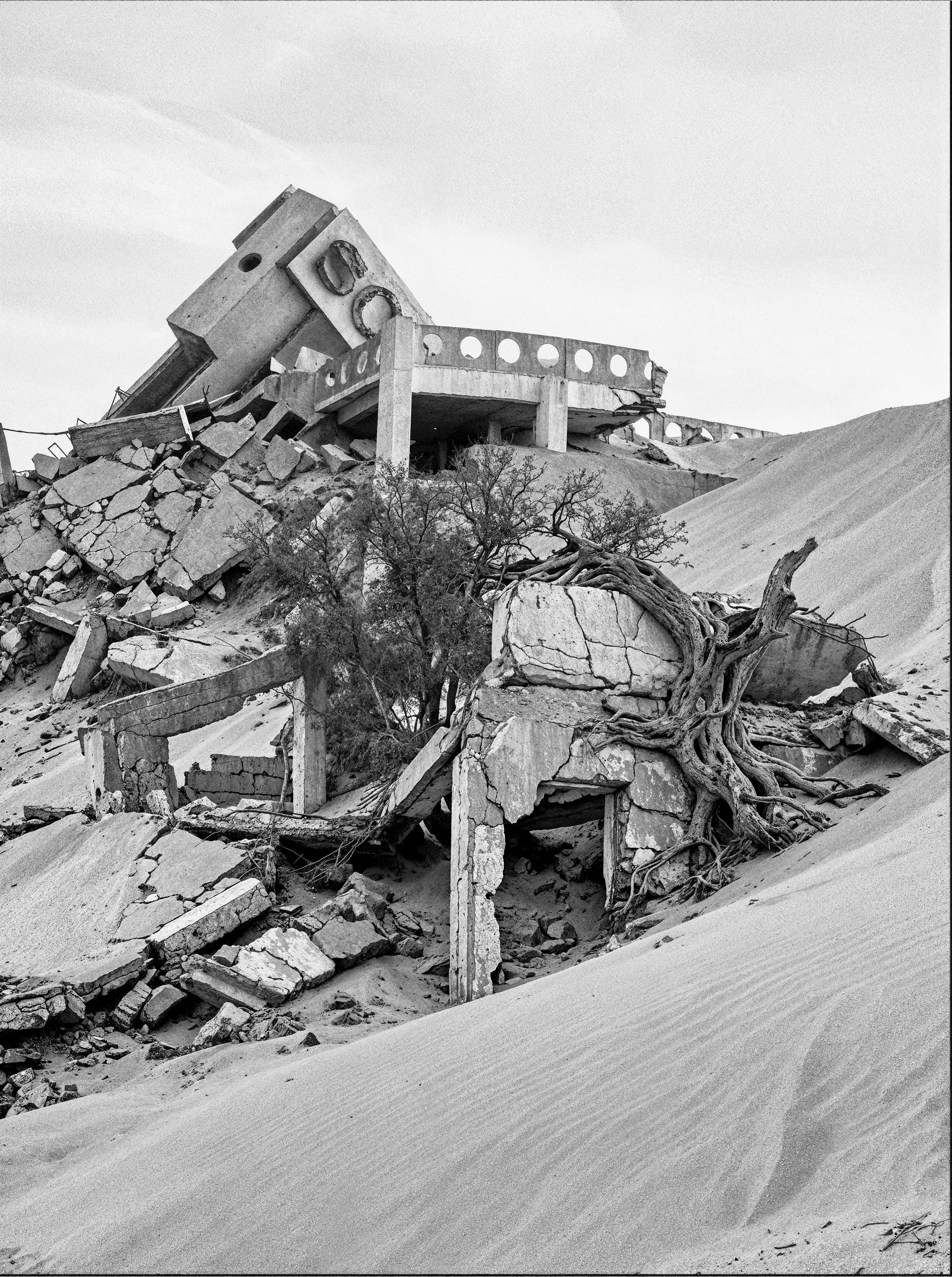
Unremarkable in its dimensions and unassuming in its construction, this modest site has nonetheless held the attention of scholars for longer than many far grander ones — owing entirely to what was found within it. Few structures of comparable size have yielded so dense and so heterogeneous an accumulation of objects.
The variety defies easy classification. Items of durable manufacture lie alongside others of the flimsiest material; a few appear to have been valued, though the greater part are of no discernible worth, and several seem to have been retained long past any conceivable usefulness. That so much should have been gathered, and so little apparently discarded, suggests a disposition that was not strictly practical.
The favoured explanation is a superstitious one. The occupant, it has been proposed, ascribed to these objects a significance beyond their evident function — a protective virtue, perhaps, or an attachment that resisted their disposal. Whether the accumulation answered to belief, to sentiment, or merely to an unwillingness to part with what had once been acquired, the evidence does not say. One notes only that the impulse, whatever its nature, was pursued to a considerable extreme.